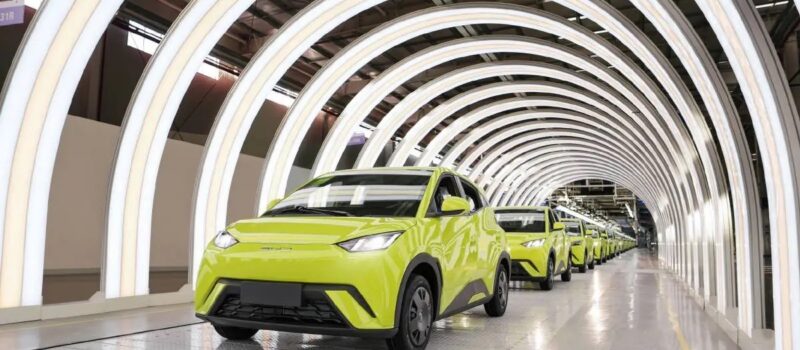
Our friends at WysokieNapiecie.pl visited China a few weeks ago to get more information on the EU tariffs on Chinese EVs, and they’ve provided the following content for CleanTechnica. It includes some information on the tariffs which you’ve probably ...

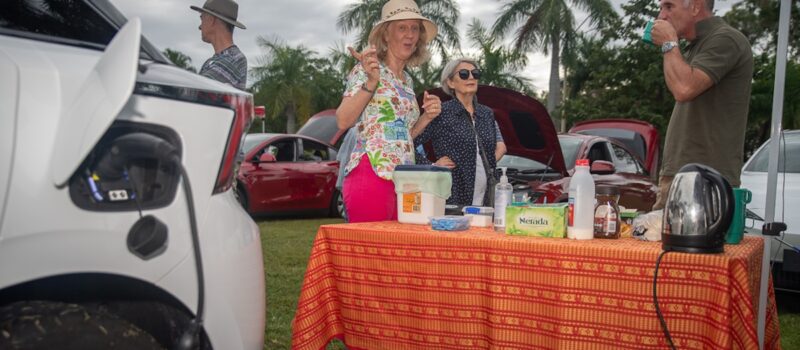
My car made my coffee is almost as good a line as “I have a petrol station on my roof!” (I charge my Tesla from rooftop solar.) In another demonstration that the rural regions of Queensland are ready for electric cars, an extensive electric vehicle e...
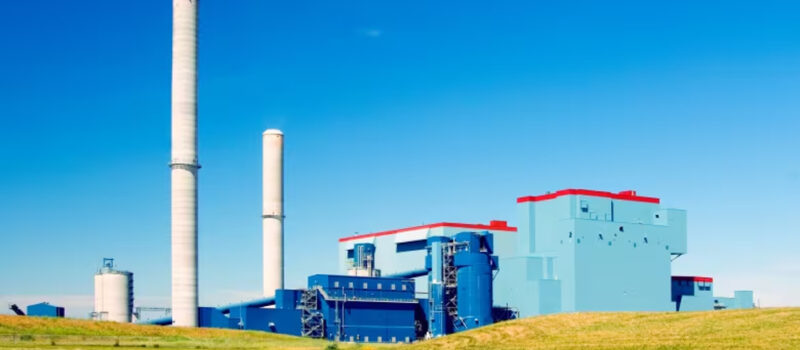
In 2015, Alberta premier Rachel Notley of the New Democratic Party announced plans to completely phase out coal power by 2030 as part of its broader climate policies. Critics questioned whether it could be done. “The industry was up in arms that it w...
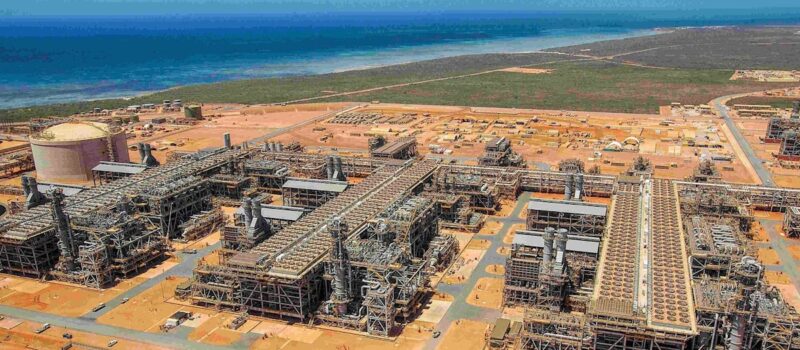
Carbon capture and storage has been hailed as a potential way to reduce emissions, but it is more likely to increase them by boosting oil and gas extraction. The cheaper and more effective solution is to move to cleaner forms of energy.

Only hydrogen produced through wind, hydropower, nuclear energy, and excess renewables can meet clean hydrogen standards, while solar photovoltaics struggle. However, solar-powered production is set to dominate the future landscape.

Indian hospitals begin to adapt to new climate reality with specialist heat units set up to deal with cases of heatstroke.

In Jordan, severe water shortages have led to the rise of illegal water markets, where independent vendors supply water from private wells, highlighting the urgent need to balance household access and sustainable groundwater management.
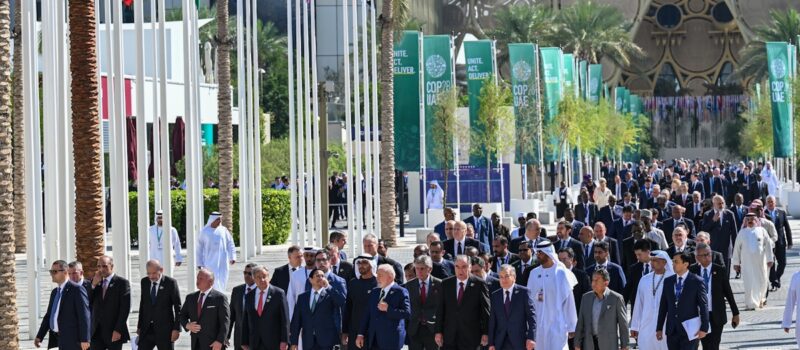
The size of the world’s largest climate summit is set to shrink as the UN navigates new logistical challenges. But beyond this, Eco-Business looks at what else must change for COP to ensure outcomes which will lead to real climate action.